
 Sin. That is not an often-used word today. Very few desire to be reminded of their sin or have their sin pointed out to them. Have we become soft on sin to the point of straying from the use of the word? Certainly it’s a biblical word – one found in the Old Testament and the New Testament, including the gospels. (Numbers 32: 23; I Kings 8: 46; Romans 3: 23; John 8: 34)
As a professing Christian, is it right to mention this word to others? Is it right to discuss sin issues in public and in sermons or small groups? Has the current generation so shied away from this word that it has, at the same time, caused or created an affirmation of sin? Is sin still sin or is there a nicer, more politically correct and acceptable word to use? (I John 1: 8; 3: 4, 6-8)
I prayed to give my life to Christ in 1971 and sin was pretty black and white back then. Preachers preached on it and friends were bold enough to point it out, taking me to the word of God and speaking to me forthrightly about the need for repentance. I embraced it, even appreciated it. I did not grow up in a religious home and I was not equipped with very many moral guidelines. (I Cor. 5: 12; Gal. 6: 1; James 5: 19-20)
If the church becomes lax on sin, then moral guidelines become more and more difficult to determine. From Genesis chapter three, the evil one has determined to make right wrong and wrong right. If we can no longer identify the right, we’ll never know the wrong and vice versa. The overall purpose of the law, the Ten Commandments, was to point out sin, boundaries (exposing our sin). God was determined that for society to function together in a normal, healthy way there needed to be rules – guidelines of wrong and right. Why? Because He hated mankind? No, the exact opposite; He loved mankind and wanted us to live a long and prosperous life free of sin and disease. (Psalm 119: 11, 133; Matthew 5: 17-20; Romans 8: 3-8; Gal. 3: 23-25; Hebrews 12: 1-10)
There is a deviation in the church today. It seems we’re fearful of calling sin, sin…afraid to offend. We’re afraid that we’ll hurt someone’s feelings or tramp on someone’s toes. We fear backlash from the younger generation who might be quite ignorant of the word of God and what sin actually is. And we can fear persecution from the world that actively walks in sin and does not want to be reminded of their wrongdoing. We live in a culture that defends its sin and calls it “personal rights” or “my business” that ‘hurts no one.’ Really? Alcoholism hurts no one? Adultery that breaks up a family hurts no one? Selfishness in pursuing pornography hurts no one? (I Cor. 2: 25, 27-28)
If someone stole all the money in your savings account, money you worked a lifetime to gain, would that be sin? Would you confront that person of their sin? Would you desire them to be arrested for their sin of thievery? Why wouldn’t it be correct to acknowledge sinfulness as hurting many?
If you work alongside someone who works harder at getting out of work rather than actually working, does their slothful attitude hurt anyone other than themselves? Guessing you’re getting the point. Sin does hurt others; it does have a direct effect upon others in our life. Sin, according to God’s word, is wrong and it is what Jesus died for. Our wrongdoing affects our relationship with our heavenly Father and the price that His Son paid. The Holy Spirit is grieved by our sin because it separates us from God. (Romans 6: 23)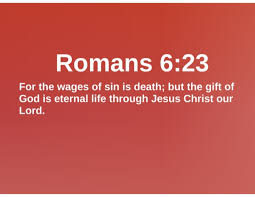
If we profess faith in Jesus, then we must deal with the sin in our life and not whitewash it. It doesn’t matter what we feel about it or if we think it hurts no one else. Sin separates us from our Savior and it can do so eternally. (II Peter 2: 4-10) So, yes, sex outside of marriage is still sin. Drunkenness is sin. Gluttony is sin. Gossip is sin. Stealing is still sin. Coveting what others possess is sin and profaning the name of the Lord is sin. Paul wrote to “flee” from sin because as believers our bodies are the temples of the Holy Spirit and we were bought with a price. (Romans 1: 18-23; I Cor. 5: 9-11; 6: 9-11; 6: 18-20)
If we’re not serious about this thing the scripture calls sin, then we’re not serious about truly following Jesus. Never do we desire to hear one day that Jesus did not know us, even if we claim to know Him. (Matthew 7: 21-23)
Here’s the good news, Jesus gave His life for our sin, not to keep on sinning, but to receive His redemption and His forgiveness. We need to receive His truth today and begin to deal with the sin in our life, allowing His love to cleanse us of all unrighteousness. (II Cor. 5: 21)
 I recently returned from serving a local church in Chicago, IL and was reminded in so many different ways of why we each need a local church in our lives and the lives of our family. To me it is imperative to be in close relationship with those persons who care about you and your family. It is essential to have that connection for not just receiving, but giving as well.


 I have experienced all of these and more in many local churches and I appreciate the body of Christ so much. God is not angry at His church as so many speak today, but rather, He loves His church, He died for His church and longs for His church to be with Him one day. Until then, be a vital part of a growing, Bible believing and faith-filled local church body. You and your family will grow and help to grow others.
 When your neighbor’s house is flooded, the roof is blown away from a hurricane or gutted from a devastating fire, are you inclined to help them? Are you moved with compassion to serve them and pour all the effort you can into assisting them toward recovery?

 We seemed to have reached a desperate part of our meeting with a middle-aged couple pastoring a small church in New York. In tears, the wife declared, “We’re not intimate!” We asked what she meant by that statement. She said without hesitancy, “We don’t do fun things together; we don’t hold hands; we don’t sit close any longer; we rarely have sex; and our conversations have become predictable, boring, and too infrequent. It’s like we’ve taken a break from closeness, from our friendship…from intimacy.”

 How does a couple stay sexually active when there are jobs, a family, household responsibilities, and civic commitments, along with children’s sports and school, and then local church involvement? All of these good things can rob us of intimacy as married couples and can even become priority over our sexual thoughts and desires. Sometimes life gets a hold of us, and all too often we’re too exhausted to take a hold of one other.
 On your wedding day, you spoke something called vows that probably sounded something like this: For better or for worse; for richer or for poorer; in sickness and in health; ’til death do us part. Rarely do we imagine having to face such issues. But truth be told, we will face some of these things and, perhaps, already have. If you think about it, these vows prepare us for reality long before reality sets in; they help prepare us for inevitable disappointments in marriage.
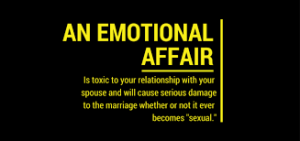
 Infidelity can affect all of our marriages because we can all be tempted. We are all potential vow-breakers. If we think it can’t happen to us, we can become sloppy and less guarded, not alert to the enemy’s schemes. In
 We sat down to interview Jon and Amy (names have been changed), a couple we have encountered who have a pain-filled story. With their permission, we are about to share with you their loss, brokenness, hope, and redemption.
 If your goal was to tear apart your marriage, money arguments would certainly help. But marriage is not about me and mine; it’s about us and ours.

 We will ask you to complete a budget in
 It astounds us to discover how many couples do not know why they are married. This is the question this chapter will probe—what is your mission together as a couple? For what reason(s) has God called you together into this union? Those who once were two have been called to move as one.
 Life can get busy and pass us by rather quickly. Before we know it, we’ve been married for five or even ten years. We can begin to myopically focus on the stuff of life that has no real or eternal value or lasting effect upon our lives and the lives of others. It’s important to remember why God called you together in matrimony, and writing your mission statement as a couple can help to refocus your marriage on the things that truly matter.
 My wife and I helped three children through college and we learned a lot from that experience. There are some things we would do over if given the opportunity, but more so we wanted to pass on to you some ideas about paying for college. It can seem impossible, but we do not believe that your son or daughter has to leave college with huge debt that inhibits them for their future. So here are our recommendations for those children who may be college bound.
 Bonus: Teach your son or daughter to utilize a budgeting tool so they learn how to budget their money and help control their spending and saving while on campus. It might help them to not visit Starbucks daily, purchasing five-dollar drinks. Train them to use cash or debit cards and not credit cards for common purchases. Finally, check out this blog on
 The Rwandan government is speaking and teaching there is only one people group in the nation of Rwanda. There are no longer tribes and factions. On paper and in speech this sounds fine, but there’s a deep wound in Rwanda that is still not healed.

 The blood of the innocent cries out in Rwanda for sure, but the blood of the innocent child cries out in America too. Are we listening? Are we speaking up for them? Are we a voice for those who have no voice?

