
“But I know I heard God on this.” “The Holy Spirit revealed to me…” “God spoke to me.” You and I have heard those words many times and perhaps said them ourselves. But what happens when the person saying them is going directly against the word of God or you know their “hearing” is based more upon emotional desire than true insight from God? Stay with me here. I am not saying God does not speak today because I know He does. It is just that we find difficulty in refuting the phrases listed above. I mean, how do you come against or in direct conflict with the words, “I know I heard God on this?” It would seem impossible, but then the person could be left with some disastrous outcomes.
Let me give you a few pointers to offer such persons speaking so matter of fact. First, have they ever been wrong? I mean, have they ever missed God or have they been 100% correct all the time in hearing from God? Second, what are their overseers saying on the subject? Have they found any wisdom in a multitude of counselors? Are these counselors cautioning them and are they listening to those cautions? And third, could God change it up even if they did hear Him correctly and they are in the midst of obeying that voice? Abraham is an example of what I am referring to. In Genesis 22, Abraham heard the voice of God instruct him to take his son, Isaac, up the mountain to sacrifice him. Abraham gathers his supplies the next morning along with his son and set out to the place God told him to go. He bound his son, took out his knife, raised his arms and all of a sudden heard a voice from heaven saying, “Abraham, Abraham…do not lay a hand on the boy.” What if Abraham insisted on following God’s voice from the first command and resisted the second voice?
Don’t get stuck, cornered, or manipulated by others even when they are confident in their hearing. We can bring an appropriate challenge to those who use these phrases. In the end, they are responsible to properly discern in their hearing, but we do not have to always agree. When we use these phrases, let’s be sure it is God and continue listening because He may change it up.
 21. Do I love and respect myself enough to say “yes” to healthy relationships and “no” to unhealthy relationships? The following are a few questions to ask yourself:

 20. Can this person forgive and release? Does this person get offended quickly? Does he/she hold grudges? Does conflict help him/her to grow and become better or bitter? Does he/she avoid others, grow quiet or become angry when those relationships present challenges or confrontation? (Colossians 3:13; Ephesians 4:32)
 19. How does this person view finances and is he/she a good steward of personal wealth? (Continued) How did your family of origin handle finances? Were the bills paid on time? Did your parents incur a lot of debt? Were your parents generous with their money and incorporate a spirit of giving or were they always “tight” with their finances? Did they argue a lot or agree on the use of money? (Ecclesiastes 5:10; Matthew 6:24; I Peter 5:2; Luke 19: 11-27)
 Agreement in the use of money is far more powerful (not to mention life-giving to marriage) than disagreement. When we agree on the use of our money, it releases the blessing of unity. This is illustrated in Luke chapter 19 in the parable of the ten Minas. The servants were told by their master to “put this money to work…” Later the master returned …”to find out what they had gained…” The trustworthy ones did in fact invest the money and realized a gain and were given greater responsibility and authority. They reaped what they sowed. The servant who responded in fear, gained nothing and what he had, was given to the one who gained the most because he acted the most trustworthy.
 18. How does this person view finances and is he/she a good steward of personal wealth? What are this person’s financial values? Does he/she pay bills on time? Has this person incurred debt, and if so, what kind of debt is it (e.g., college loans, mortgage or car payments, credit card or consumer debt)? Does this person value saving and giving? What is his/her view of credit card usage? ((Deuteronomy 8:17, 18; Proverbs 11:24, 25, 28; 13:22; 22:1,4,7)
 17. Does this person handle conflict well? What is his/her method of handling conflict in life? Can this person deal with conflict in a healthy manner and effectively work through differences? Does this person avoid it, ignore it or internalize his/her feelings? Does he/she get angry and sulk, get loud and verbally abusive or respond physically? Does this person seek humility or self-justification? (Proverbs 11:2; 15:1; 22:24; 29:11, 22)
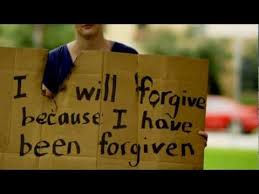 16. How do you observe his/her personal relationships? What is the nature of this person’s relationships with parents, siblings, friends, bosses at work or teachers at school, neighbors, co-workers and former significant others? Does this person walk in freedom from past hurts or wounds from peers or authority figures? Does he/she tend to blame others for relational issues, or does he/she take ownership of personal shortcomings? Does this person acknowledge and apologize when he/she is wrong? (Matthew 6: 14; Colossians 3: 12-13; I Timothy 2: 1-2)
 15. How does this person spend his/her free time? Does this person understand and demonstrate a healthy balance between work and rest, or is he/she unable to detach from work and enjoy leisure and personal activities? Does this person spend an excessive amount of time using and interacting with technology and social media (e.g., cell phone, internet, television, video games, Facebook)? Is this person pursuing healthy and productive hobbies, activities and interests? How do you spend your free time together? (Matthew 13:1)
 One of my favorite New Testament verses states, “That same day Jesus went out of the house and sat by the lake.” I simply love this verse because I crave what it says. Our Lord, on earth with a three and one half-year window, took the necessary time to sit by the lake. What was He doing? That’s just it, He wasn’t “doing” He was being. He took time out to rest, to reflect, to breath in the fresh air that surrounds the tranquil presence of water. We live in a culture that is noisy and full of time-stealing stuff. Can you, can this person you are interested in take the time to “sit by the lake” and enjoy each other along with His presence? Work is a gift from God and so is rest. How do you like to rest? Does this special person allow you to just take a break, leave you alone and stop constantly calling or texting? Can you honor them and do the same? We are, at times, too accessible to one another. Life is a balancing act in order to maintain our spiritual, physical and emotional health.
 14. Is this person serving others? Is there a personal or developing compassion for others, or is there too much attention devoted to self? What do you observe to be his/her life balance of caring for others in contrast to personal priorities such as: work, rest, play, television, family, friends, your dating relationship, etc? (Romans 15:1-3; Philippians 2:3-8)
 Steve Prokopchak